PLYAR 1527442 Parking Light Lens Rh
fits make: Plymouth. year: 1953.
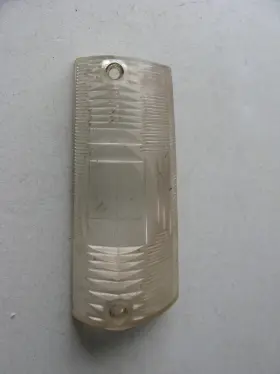
( Brand: Plyar ), ( Part Type: Parking Light Len ), ( Ipn: 22112 ), ( Oe/oem Part Number: 1527442 ), ( Location: Pa7e 2 )
Review PLYAR Vintage Parking Light Clear Lens Rh Plymouth fits 1953
PLYAR 22112 Parking Light Lens - Authentic Replacement for Plymouth 1953 vehicles
Description:The PLYAR 22112 Parking Light Lens is an authentic replacement part specifically designed for Plymouth 1953 automobiles. This lens is essential for maintaining the original look and functionality of your vehicle's parking lights.
This lens is made from high-quality, durable materials that ensure a perfect fit and long-lasting performance. The lens is clear, allowing the parking light bulbs to shine brightly and effectively, ensuring that your vehicle is visible when parked.
Installing this lens is a straightforward process and can be done by most do-it-yourselfers. No special tools are required, and the lens comes with clear instructions to guide you through the installation process.
The PLYAR 22112 Parking Light Lens is a direct replacement for the original part, meaning that it fits and functions exactly as intended. It is designed to be an exact match in terms of size, shape, and color, ensuring that your vehicle retains its classic appearance.
Investing in a genuine replacement part like the PLYAR 22112 Parking Light Lens is an excellent choice for car enthusiasts and those who take pride in the appearance and performance of their vintage Plymouth. Not only does it restore the functionality of your parking lights, but it also adds to the overall aesthetic appeal of your vehicle.
In conclusion, the PLYAR 22112 Parking Light Lens is a must-have for anyone who owns a Plymouth 1953 and wants to keep their vehicle in top condition. This authentic replacement part is made from high-quality materials, ensures a perfect fit, and is easy to install. Order yours today and enjoy the peace of mind that comes with knowing your parking lights are functioning at their best.
Buying a parking light lens (Part Number: 22112) for a 1953 Plymouth vehicle involves considering both the advantages and disadvantages. Here's a detailed analysis:
Advantages:1. Improved Visibility: A new parking light lens ensures proper illumination of the parking lights. This not only improves the vehicle's appearance but also enhances safety, making it easier for others to see your vehicle in low-light conditions.
2. Durability: A new lens is more resilient to the elements compared to a used or worn-out lens. It can withstand harsh weather conditions, ensuring the longevity of the parking light system.
3. Compliance with Regulations: In some areas, having functional parking lights is a legal requirement. Installing a new parking light lens ensures your vehicle meets these regulations.
Disadvantages:1. Cost: Replacing a parking light lens can be relatively expensive, especially if you're purchasing a new one. The cost may vary depending on the supplier and the availability of the specific part.
2. Installation Time: Installing a new parking light lens requires technical skills and tools. If you're not comfortable doing it yourself, you may need to pay for professional installation services, which can add to the overall cost.
Conclusion:While the cost and installation time may be a disadvantage, the advantages of improved visibility, durability, and compliance with regulations make buying a new parking light lens for your 1953 Plymouth a worthwhile investment. It's essential to weigh the benefits against the costs and consider whether the improvement in safety and appearance justifies the expense.
Recommendation:If you decide to purchase a new parking light lens for your 1953 Plymouth, it's recommended to shop around for the best price and availability. You may also consider checking with local auto parts stores or specialty dealers to find a competitively priced new part. If the cost is still a concern, you can explore the option of a used or reconditioned lens, but be aware that its durability may not be as good as a new one.
Details:
This Listing Is For: Vintage Plyar Parking Light Clear Lens 22112 RH for Plymouth 1953. The quoted shipping prices are within the 48 states only. See Pictures for Detail. This application is for reference only.
part #: 1527442 prices
- $14.44-$69.90
specifications engibearing:
- for makes: Plymouth
- for years: 1953
- brand: Plyar
- part type: Parking Light Len
- interchange part number: 22112
- oe/oem part number: 1527442
- location: Pa7e 2
payments engibearing:
- credit card: Diners-club
- wallet: Google-pay
- other
offer engibearing:
- quantity: 1
- best offers: True
- availability: In Stock
- sold: 0
- started: May 8, 2025
- options: Ship-to-home
seller engibearing:
- # reviews: 29571
- rating: 99.8%
- city: Ontario, California
shipping engibearing:
- type: Fixed
- class: Standard
- service: Standard
- transit: 4-7 Days
- cost: $8.99
returns engibearing:
- policy: No Returns
general engibearing:
- Car Truck Parts Accessories > Engines Engine Parts > Engine Bearings
- condition: Used

5 offers $14.44–$69.90 USD
- New other (see details). Offer #1 priced at $20.39 + $14.35 delivery = $34.74* total. 1953 Plymouth RH Parking Light Lens.+$14.35 shipping
- Used. Offer #2 priced at $14.44 + $8.99 delivery = $23.43* total. This application is for reference only. RH.+$8.99 shipping
- New other (see details). Offer #3 priced at $69.90 + $24.00 delivery = $93.90* total. Minor shelf wear, as depicted. PLYAR DPCD RH CB RH & 1527443 LH CB 22111 LH.+$24.00 shipping
- New. Offer #4 priced at $14.99 + $8.25 delivery = $23.24* total. NOS 1953 Plymouth Right Parking Light Lens - PLYAR - - PL781.+$8.25 shipping
- New other (see details). Offer #5 priced at $24.99 + $7.50 delivery = $32.49* total. 1953 Plymouth (LATE). THE LATE EDITION HAD HOLES IN THE LENS.+$7.50 shipping